

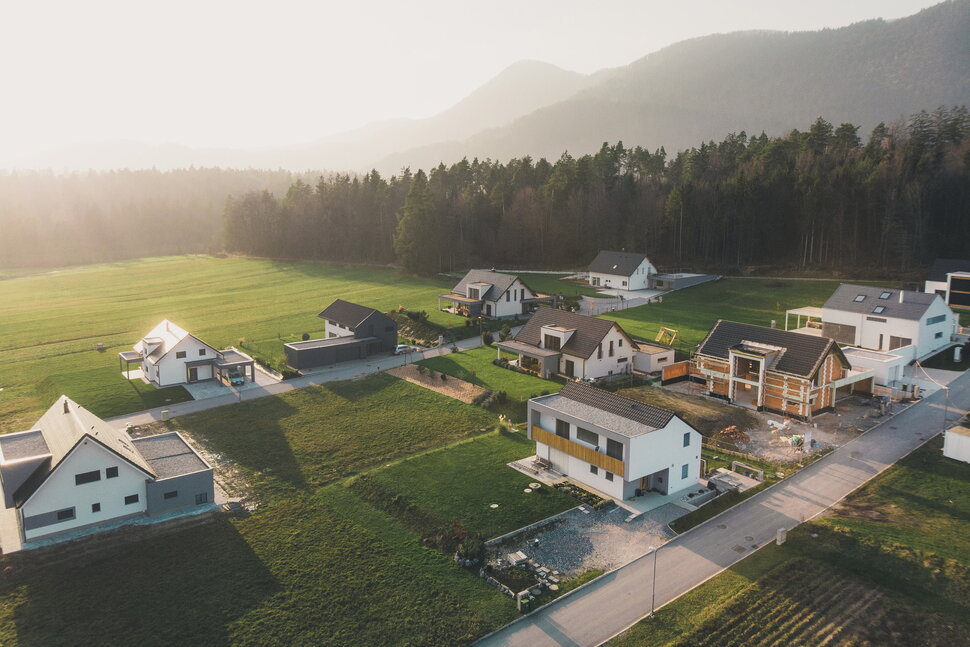
The real estate industry offers several ways to purchase a newly constructed property, and one increasingly popular option is buying a home that has been designed and built before a buyer enters the picture. These properties provide an alternative to traditional custom construction, allowing homebuyers to purchase a newly completed or nearly completed house without managing the entire building process. Understanding how these properties work can help buyers make informed decisions and recognize the benefits and potential challenges involved.
A spec home is a residential property constructed by a builder without having a specific buyer committed to purchasing it. The term comes from speculative construction, meaning the builder invests in the project based on expectations about future market demand. Instead of waiting for a customer to provide design instructions, the builder selects the location, floor plan, materials, and features according to local housing trends and the preferences of potential buyers.
Understanding the Meaning of Spec Homes
The concept of speculative spec homes construction is relatively straightforward. A builder identifies a suitable property or residential development opportunity, evaluates the local real estate market, and decides what type of house is likely to attract buyers. Construction begins without a signed purchase agreement from an end customer.
Unlike a custom-built property, where homeowners generally participate in planning and design decisions, the builder makes most of the choices independently. These decisions are usually based on experience, market research, construction budgets, and knowledge of what buyers expect from a modern residential property.
For example, a builder developing a house in a family-friendly neighborhood might include three or four bedrooms, an open kitchen, multiple bathrooms, energy-efficient windows, and a practical outdoor area. These features are selected because they may appeal to a broad group of prospective homeowners.
The primary objective is to complete construction and sell the property at a price that covers expenses while generating a reasonable profit. This approach requires builders to balance construction costs with buyer expectations and local market conditions.
How Builders Plan a Speculative Home Project
Planning is one of the most important stages of speculative residential construction. Since there is no confirmed buyer, builders must rely on their understanding of the market to determine whether a particular project is financially and commercially practical.
The process usually begins with location research. Builders examine neighborhood development, property values, transportation access, schools, employment opportunities, and nearby amenities. A well-positioned property may attract more potential buyers than a similar house in an area with limited infrastructure or fewer services.
After selecting a location, builders determine the type of property that would be most suitable. They consider the average household size, income levels, architectural preferences, and competing properties available in the area. These factors help establish the appropriate size, layout, and overall design.
Budget preparation is another essential responsibility. Builders estimate land acquisition expenses, construction materials, labor, permits, insurance, utility connections, and marketing costs. They also account for unexpected expenses that could arise during construction.
Financing must be arranged before significant work begins. Construction lenders generally evaluate the proposed project, including its location, estimated costs, building plans, specifications, and expected market value. The financing structure can influence the project’s timeline and profitability, making accurate documentation particularly important.
Resources such as builderfinance.com provide information about financing options and construction lending considerations for builders working on speculative residential projects.
How the Construction Process Works
Once planning and financing are in place, the builder moves forward with construction. The process generally follows the same major stages as other residential building projects, although the builder retains greater control over the decisions.
First, the construction team prepares the land. This may involve clearing vegetation, leveling the site, completing necessary excavation, and arranging drainage or utility connections. The foundation is then installed according to the property’s engineering requirements and local building regulations.
The next stage involves framing the structure. Walls, floors, roof supports, and other structural components are assembled to establish the basic shape of the house. Contractors subsequently install roofing, windows, exterior doors, and weather-resistant materials to protect the interior.
Mechanical and electrical systems are added during the following stages. Plumbing, heating, ventilation, air conditioning, and electrical wiring must be installed correctly to support the property’s everyday functionality. Inspections may be required at different points to verify compliance with applicable building standards.
Interior finishing gives the property its final appearance. Builders select flooring, kitchen cabinets, countertops, bathroom fixtures, lighting, paint colors, and other decorative elements. The choices are generally intended to create an attractive and practical living environment for a wide range of potential homeowners.
Before marketing the property as ready for occupancy, the builder should complete the required inspections and address outstanding construction issues.
What Makes Speculative Construction Different From Custom Building?
Although both approaches result in newly constructed residential properties, their planning and purchasing processes are different.
A custom home is generally designed around the preferences and requirements of a particular homeowner. The buyer may choose the architectural style, room arrangements, materials, appliances, finishes, and other details. This involvement provides greater control but also requires time, communication, and ongoing decision-making.
With speculative construction, the builder makes most of these decisions before identifying the eventual purchaser. This reduces the amount of planning required from the buyer and can make the purchasing experience more straightforward.
Another difference involves construction timelines. Custom projects may take longer because buyers need to approve designs, select materials, and coordinate changes throughout the building process. A speculative property may already be completed or close to completion when it becomes available for sale.
The financial responsibilities can also differ. Custom buyers may purchase land separately and arrange financing for construction. Buyers purchasing a completed property generally follow a more familiar real estate transaction process, although mortgage approval and other financial requirements still apply.
Neither approach is automatically better. The right option depends on whether buyers prioritize personal design choices or prefer a more convenient purchasing experience.
Why Builders Choose This Construction Strategy
Builders choose speculative construction because it creates opportunities to develop properties based on anticipated market demand. Rather than waiting for individual customers to request projects, they can begin construction when they identify a promising location and a suitable investment opportunity.
One advantage is greater control over project management. Builders can select contractors, negotiate material purchases, establish construction schedules, and coordinate different stages according to their business objectives.
Building several similar properties may also create operational efficiencies. When contractors work with familiar floor plans and standardized materials, they may complete certain tasks more efficiently. Bulk purchasing can sometimes reduce material expenses, while repeated construction processes may improve scheduling.
Another motivation is the potential for financial returns. If a property is completed within budget and sold at an appropriate market price, the builder may generate a profit without needing to manage a long-term rental property.
However, speculative development also involves uncertainty. Construction costs may increase, interest rates may change, and buyer demand may weaken before the property is sold. Builders must therefore evaluate financial risks carefully before committing significant resources.
Benefits for Potential Homebuyers
For buyers, purchasing a newly constructed property can eliminate many of the responsibilities associated with organizing a construction project. Instead of coordinating architects, contractors, suppliers, and inspections, buyers can focus on evaluating the finished property and completing the purchase.
Another benefit is the opportunity to see the actual home before making a decision. Buyers can walk through the rooms, examine the layout, evaluate natural lighting, inspect finishes, and determine whether the property meets their requirements.
New construction may also provide modern features that are difficult to find in older houses. These can include contemporary kitchen layouts, improved insulation, energy-efficient windows, updated electrical systems, and modern bathroom designs.
Maintenance may be more predictable during the early years of ownership because major components are new. Some builders also provide warranties covering specific construction defects or building systems. Buyers should review the warranty carefully to understand what is covered, the duration of coverage, and the procedure for submitting claims.
Additionally, a completed property may allow buyers to move in sooner than they could with a home that still needs to be designed and constructed.
Important Factors to Consider Before Purchasing
Despite their advantages, buyers should never assume that a newly constructed house is automatically free from problems. A thorough evaluation remains essential before signing a purchase agreement.
The first consideration should be the property’s construction quality. Buyers should examine the foundation, roof, exterior walls, windows, flooring, plumbing fixtures, and electrical installations. Hiring an independent professional home inspector can help identify defects that may not be obvious during a normal property viewing.
The location deserves equal attention. Buyers should investigate neighborhood development, road access, public transportation, schools, healthcare facilities, shopping areas, and other essential services. A beautiful house may become less attractive if its surroundings do not support everyday living.
Pricing is another important factor. Buyers should compare the asking price with similar newly constructed and existing properties in the neighborhood. They should also consider property taxes, insurance, homeowners association fees, utility expenses, and potential maintenance costs.
It is equally important to review the builder’s reputation. Previous projects, customer feedback, construction experience, and responsiveness to warranty requests can provide useful information about the company’s reliability.
Finally, buyers should carefully review all legal documents, permits, disclosures, warranties, and purchase agreement conditions before completing the transaction.
The Role of Market Conditions in Property Value
Real estate market conditions can significantly influence the success of speculative construction. When housing demand is strong and available inventory is limited, newly constructed properties may attract considerable attention from buyers.
However, market conditions can change during the construction period. Rising mortgage rates may reduce affordability, while increased competition from other developments can make it more difficult to sell a completed property.
Builders must therefore consider both current demand and possible future changes. A property designed around temporary trends may lose some of its appeal if buyer preferences change before construction is finished.
For homeowners, understanding these market factors is useful when evaluating the asking price and potential resale value. A newly constructed property should be assessed according to its location, construction quality, features, and comparable sales rather than its new condition alone.
Conclusion
Speculative residential construction provides an alternative approach to developing and purchasing newly built properties. Builders take responsibility for selecting the location, designing the structure, arranging financing, and completing construction before securing a committed buyer. This strategy can create financial opportunities for developers while giving homebuyers access to modern properties without managing an entire building project.
Understanding how these developments work helps buyers evaluate their advantages, identify potential risks, and make more confident purchasing decisions. By examining construction quality, location, pricing, builder reputation, and legal documentation, prospective homeowners can determine whether a particular property meets their needs.
For builders, successful projects depend on careful planning, accurate budgeting, reliable contractors, and a realistic understanding of local demand. When these elements come together, speculative residential development can become a valuable part of the modern housing market.