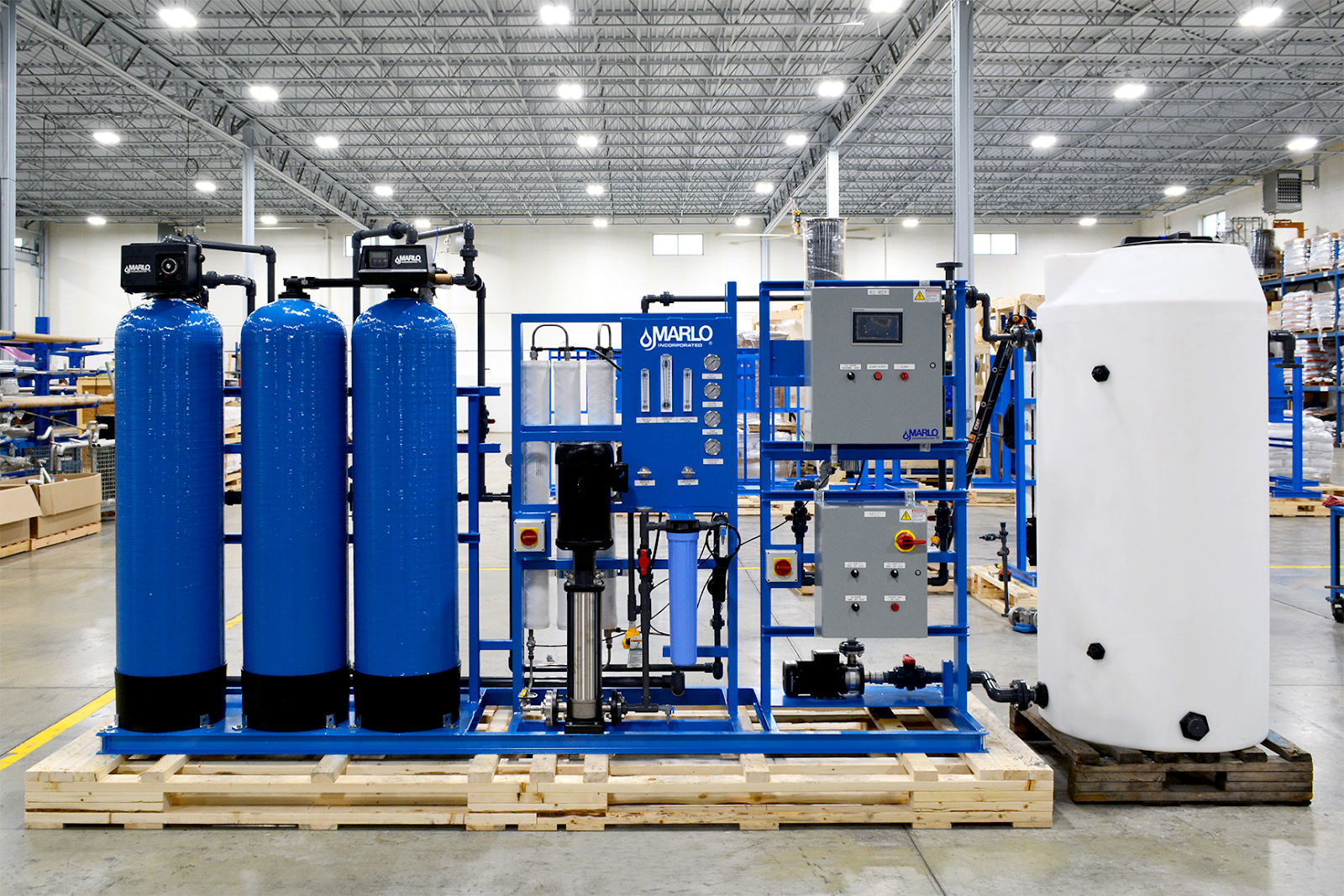
Water is one of the most important resources for any business, especially those in industries like food and beverage, healthcare, hospitality, and manufacturing. Ensuring the water used in these settings is clean and safe is not just a matter of quality but also of health and safety compliance. Contaminated water can lead to serious health risks, damage equipment, and result in violations of local and international safety standards. This is where a commercial reverse osmosis system becomes an essential tool for businesses looking to maintain the highest standards of safety and hygiene.
Understanding Commercial Reverse Osmosis Systems
A commercial reverse osmosis system is a water purification solution designed to remove impurities, chemicals, and harmful microorganisms from water. Unlike simple water filters, reverse osmosis systems work on a membrane-based process that filters out even the tiniest contaminants. This process ensures that the water is clean, safe, and suitable for various commercial applications. Businesses often rely on these systems to provide water for drinking, cooking, cleaning, and manufacturing processes. By using a commercial reverse osmosis system, companies can be confident that their water meets stringent safety standards.
Ensuring Safe Drinking Water for Employees and Customers
One of the primary ways a commercial reverse osmosis system supports health and safety is by providing safe drinking water. Contaminated water can cause illnesses such as gastrointestinal infections, which can affect employees and customers alike. Businesses that offer food, beverages, or customer services have a legal and ethical responsibility to ensure that the water they provide is free from harmful substances. A commercial reverse osmosis system effectively removes bacteria, viruses, chlorine, heavy metals, and other pollutants, giving businesses a reliable source of clean drinking water. This not only protects health but also strengthens customer trust and brand reputation.
Compliance with Health and Safety Regulations
Health and safety regulations often set strict limits on water quality, especially in industries like food processing, healthcare, and hospitality. Failing to meet these standards can result in fines, business shutdowns, or legal consequences. By installing a commercial reverse osmosis system, businesses can ensure they consistently comply with these regulations. These systems are engineered to maintain a high level of water purity, helping organizations meet local, national, and even international safety requirements. Regular maintenance of the system also allows businesses to document water quality, which can be essential for inspections and audits.
Protecting Equipment and Reducing Operational Risks
Impurities in water not only affect health but can also damage equipment over time. Minerals, sediments, and chemicals can cause scaling, corrosion, or blockages in machinery, leading to costly repairs and downtime. A commercial reverse osmosis system prevents such issues by delivering purified water, which extends the lifespan of equipment and reduces maintenance costs. This operational reliability contributes to workplace safety by minimizing the risk of accidents caused by equipment failure and maintaining smooth business operations.
Supporting Hygienic Practices in Various Industries
Businesses in sectors like healthcare, food service, and hospitality rely on clean water for hygiene and sanitation. Proper cleaning, sterilization, and food preparation require water that is free from contaminants. A commercial reverse osmosis system ensures that water used in these processes is of high quality, which reduces the risk of contamination and the spread of disease. By integrating this system into daily operations, companies create a safer environment for employees and clients while maintaining compliance with hygiene standards.
Sustainability and Environmental Responsibility
Modern commercial reverse osmosis systems are designed to be environmentally efficient. They help businesses reduce water waste and minimize the use of harmful chemicals by providing consistently clean water without relying on excessive treatment or bottled water. This sustainability aspect aligns with health and safety goals, as environmentally responsible practices contribute to safer, cleaner workplaces. It also demonstrates a commitment to corporate social responsibility, which can enhance a company’s reputation and customer loyalty.
Conclusion
A commercial reverse osmosis system is more than just a water purification tool; it is a vital component in helping businesses maintain health and safety standards. By providing clean drinking water, ensuring regulatory compliance, protecting equipment, and supporting hygienic practices, these systems play a crucial role in creating safe and reliable working environments. For businesses that prioritize the health of employees, customers, and operational efficiency, investing in a commercial reverse osmosis system is a practical and responsible choice. Clean water, after all, is the foundation of a safe and successful business.