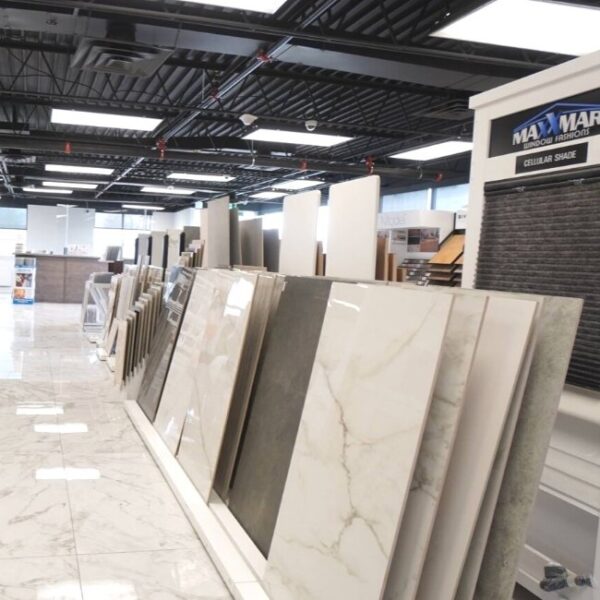
Want to save serious money on flooring? Wholesale cuts costs by 30 to 50% compared to what you’d pay at retail stores. The system used to be trade only, but now homeowners can buy wholesale too if they meet certain qualifications. You’ll find the same products contractors use, just at dramatically lower prices. The tradeoff is doing your own research since wholesale suppliers focus less on hand-holding. Knowing the basics of pricing tiers, quality checks, and supplier selection helps you navigate the process successfully and pocket real savings on your next flooring project.
The American flooring market moves over $25 billion worth of products every year. More than half of those transactions happen through wholesale channels, not retail showrooms. Retail flooring stores typically mark up products by 50 to 100% over wholesale cost. A $3,000 retail purchase could represent just $1,500 to $2,000 in actual product value.
Why does this matter? Contractors have known for years what homeowners are just starting to figure out. The same flooring that costs $6 per square foot at a big box store often sells for $3 to $4 through Wholesale flooring stores. That’s real money when you’re covering 1,000 square feet or more.
The wholesale market used to require a contractor’s license just to walk through the door. Things have changed. Many suppliers now work with homeowners who buy in bulk or pay modest membership fees. The barrier to entry has dropped, but the knowledge gap remains wide.
The Wholesale Flooring Industry Today
Wholesale flooring stores operate on a different model than the retail stores most people know. Instead of showrooms with helpful sales staff and elaborate displays, wholesalers run warehouses packed with inventory. They buy container loads directly from manufacturers, then resell to qualified buyers at much lower margins.
The basic difference comes down to volume and service:
- Retail stores survive on higher per-unit profits and customer hand-holding
- Wholesalers make money by moving massive quantities with minimal overhead
- One serves first-time DIY buyers who need guidance
- The other serves repeat customers who know exactly what they want
Three factors have pushed wholesale into the mainstream over the past decade:
- Construction activity has remained strong despite economic ups and downs, keeping demand steady
- Online platforms have made wholesale suppliers easier to find and compare
- More homeowners now handle their own installations or hire independent contractors, creating opportunities to source materials directly.
Right now, the industry keeps growing between 4 to 6% each year. New homes and renovation work make up the bulk of sales. Commercial projects bring in solid revenue for bigger suppliers, too.
You’ll notice regional wholesalers run local markets differently from national chains. Local operations win customers with same-day pickup and quick delivery. The big national players compete by stocking wider selections and negotiating lower prices through massive manufacturer contracts. Neither approach beats the other. They just appeal to different priorities depending on what matters most for your specific project.
Understanding Wholesale Buying Models
The wholesale buying system operates on volume discounts and trade credentials. Understanding how pricing tiers work, who qualifies for access, and what advantages you gain helps maximize savings while avoiding common pitfalls.
How Wholesale Pricing Works?
Wholesale pricing follows a tiered structure based on who you are and how much you buy. Suppliers purchase directly from manufacturers at 40 to 60% below MSRP when buying full containers. They add their margin, which typically runs 15 to 25% for high-volume products.
The pricing ladder usually has four rungs:
- Regular retail pricing hits MSRP with that 50 to 100% markup
- Trade pricing for verified contractors drops 30 to 40% below retail
- Volume pricing kicks in another 10 to 15% discount for orders over 2,000 square feet
- Contractor account pricing goes even lower for buyers who commit to annual purchase volumes
Qualification tiers require different levels of documentation:
- Contractors submit business licenses, tax ID numbers, and current liability insurance certificates
- Interior designers provide NCIDQ or ASID credentials
- Builders show recent project permits proving active status
Some wholesalers have created consumer membership programs charging $50 to $200 annually. These give homeowners access to trade pricing if they meet minimum purchase requirements, usually 500 square feet or more.?
Who Can Buy Wholesale Flooring?
The wholesale world used to be trade only, full stop. That’s changed considerably as suppliers realize homeowner money spends the same as contractor money.
Licensed contractors qualify automatically at virtually every wholesale operation. So do interior designers with recognized certifications, commercial builders, property management companies, and architects specifying materials for projects.
Homeowners have three paths into wholesale channels:
- The simplest is buying enough material to hit the minimum quantity thresholds. Many suppliers offer volume pricing once you cross 500 to 1,000 square feet, no questions asked.
- The second path involves membership programs. Pay the annual fee, agree to the terms, and you get trade pricing on any purchase.
- The third option means partnering with a licensed contractor who buys materials on your behalf.
Pro-Max Tip:
If you’re a homeowner planning a 600-square-foot project, call suppliers directly and ask if they’ll extend trade pricing for your order size. Many will say yes without requiring membership fees, especially during slower seasons.
Warehouse pickup versus delivery often separates retail from wholesale. Many suppliers require buyers to pick up orders at distribution centers rather than delivering to homes. This cuts costs but means arranging your own transportation for potentially heavy, bulky materials.
Advantages of Buying Wholesale
Understanding the concrete benefits of wholesale purchasing helps justify the additional research and planning required. These advantages compound over time, especially for buyers who complete multiple projects or manage large installations.
Significant Cost Savings
Contractors routinely save $1.50 to $4.00 per square foot, depending on material type. That 1,500 square foot hardwood project priced at $12,000 retail costs $7,500 to $8,500 wholesale. A 3,000 square foot commercial installation saving $2.50 per square foot puts $7,500 back into the budget.
Broader Product Selection
Wholesale warehouses stock inventory that retail showrooms can’t justify displaying:
- Hard to find exotic hardwood species
- Commercial-grade products are rarely stocked at retail
- Previous year models at significant discounts
- Custom order capabilities directly from factories
Access to 200-plus manufacturers creates options for every possible aesthetic and performance requirement.
Faster Fulfillment Times
Distribution centers maintain higher inventory levels than retail locations. In stock orders ship within 24 to 48 hours, compared to the 1 to 2 week special order timelines common at retail stores. This speed advantage prevents costly installation delays.
The Service Tradeoff
The reduced cost comes with less hand-holding. Retail stores provide design consultations and coordinate samples. Wholesale focuses on product knowledge and technical specifications. Experienced buyers prefer wholesale for straightforward projects, while first-timers benefit from retail guidance despite higher costs.
Choosing the Right Flooring Through a Wholesale Source
Your flooring choice affects both what you pay now and how happy you’ll be years later. A kitchen floor faces completely different demands than a bedroom. Traffic patterns matter. Water exposure matters. Getting the match right between material and location saves headaches and money down the road.
Material Selection by Use Case
Think about where the flooring goes before deciding what to buy:
- High-traffic commercial spaces need luxury vinyl tile with 20 mil wear layers, commercial-grade carpet tile, or porcelain tile rated for heavy use
- Residential living areas work well with engineered hardwood, luxury vinyl plank, or laminate rated AC3 or higher
- Moisture-prone areas like bathrooms require waterproof solutions such as waterproof LVP, ceramic tile, or properly sealed stone.
- Bedrooms benefit from carpet, engineered wood, or cork for sound dampening and comfort underfoot.
- Basements present moisture challenges, so waterproof LVP, tile, or sealed concrete coatings work best.
Real hardwood looks authentic, and you can refinish it multiple times. The downside? It needs stable humidity levels and professional installation. Engineered wood gives you almost the same look but handles moisture better since the plywood layers stay more stable than solid planks.
Luxury vinyl costs 40 to 60% less than hardwood while offering waterproof protection and easier installation. Modern LVP looks surprisingly realistic. Premium versions come with attached underlayment and 20-year warranties.
Evaluating Product Quality
Separating good flooring from junk gets easier once you know what actually matters versus what’s just clever marketing.
Key Quality Indicators
- Wear layer thickness: 12 mil minimum for residential LVP, 20 mil for commercial spaces
- Hardness ratings: Janka rating above 1,200 for wood floors
- Certifications: FloorScore for low VOC emissions, CARB2 for formaldehyde compliance
- Warranty length: 20 plus years residential for premium materials
- Manufacturing standards: ISO 9001 certification shows consistent quality control
Watch Out For These Red Flags
Color shifts between production batches happen more often than you’d think. Always request samples from what’s actually sitting in the warehouse right now, not what’s been on display for months. Check those dye lot numbers to make sure every box matches.
Wood moisture matters big time. You want readings between 6 to 9% for most climates. Anything higher and you’re looking at cupping and gaps once the wood dries out in your space.
Beat-up boxes signal problems. Water damage or careless shipping often means the flooring inside suffered too. Turn down any shipment where more than 5% of boxes show damage.
Smart Move:
Bring a moisture meter when picking up wood flooring orders. You can grab one for under $30 online. Test random planks from different boxes before loading your truck. If readings are off, refuse the shipment right there rather than dealing with returns later.
Warranty and Return Policies
Wholesale warranties typically match manufacturer terms exactly, nothing more. Retail stores sometimes add their own guarantees or return privileges.
Standard manufacturer coverage includes:
- Structural integrity for 20 to 30 years on premium materials
- Wear-through protection for 10 to 15 years based on grade
- Stain resistance for 5 to 10 years on treated surfaces
- Waterproof guarantees on certified LVP products
What warranties don’t cover matters as much as what they do. Installation errors, improper subfloor preparation, wrong adhesives, extreme environmental conditions, and commercial use of residential-grade products all void coverage.
Best practices for warranty claims start before installation:
- Document everything with photos showing subfloor preparation, acclimation periods, temperature, and humidity readings
- Keep purchase records, specification sheets, and installation instructions
- Inspect deliveries immediately upon arrival
- Report damages within 48 hours for claim eligibility
- Follow the manufacturer’s installation guidelines exactly
Step-by-Step Wholesale Purchase Process
Successful wholesale purchases follow a structured approach from initial planning through final delivery. Each step builds on the previous one, creating a framework that minimizes risks and maximizes value. Following this process helps both first-time buyers and experienced professionals avoid common pitfalls.
Step 1: Identify Project Scope
Total square footage drives everything else in the buying process. Measure carefully and add 10% overage for cuts, waste, and future repairs. Projects under 500 square feet rarely qualify for wholesale pricing. Orders exceeding 2,000 square feet unlock volume discounts at most suppliers.
Storage requirements become real considerations with bulk purchases:
- Materials need a climate-controlled space for 48 to 72 hours minimum before installation
- Hardwood requires 7 to 10 days of acclimation to match the installation environment’s temperature and humidity
- Vinyl and laminate need 24 to 48 hours at room temperature
The installation timeline affects supplier choice. Rush projects benefit from local wholesalers offering same-day pickup. Standard schedules allow using national distributors with better pricing but longer shipping times.
Step 2: Compare Supplier Quotes
Getting accurate quotes requires providing complete project information. Essential information includes:
- Total square footage plus 10% overage
- Material categories like solid wood, engineered, LVP, laminate, or tile
- Grade level for wood products such as select, number 1 common, or rustic
- Finish type, including matte, satin, or gloss
- Delivery date and location
- Any special requirements
Request quotes from 3 to 5 suppliers for meaningful comparison. Don’t just look at per square foot pricing. Compare total project costs, including shipping, taxes, disposal fees, and any delivery or unloading charges.
Ask about minimums, lead times, and return policies specifically. Some wholesalers require full pallet or container purchases for certain products. Others allow mixed pallets from stock inventory.
Step 3: Inspect and Verify Before Purchase
Order samples from actual current inventory, not showroom display boards. Critical inspection points include:
- Color variation between individual planks or tiles
- Edge profile quality and fit tolerance between pieces
- Surface texture matching product descriptions
- Backing material condition and moisture readings for wood
- Manufacturing date codes to verify fresh inventory, not old stock
Test locking mechanisms on click lock products. Planks should engage smoothly without gaps. Resistance or gaps indicate manufacturing defects or dimensional inconsistencies that will cause installation headaches.
Request specification sheets showing actual test results for hardness, wear resistance, emissions levels, and other performance claims. Compare certifications against industry standards rather than taking marketing material at face value.
Step 4: Plan Logistics and Delivery
Coordinate delivery dates with installation schedules carefully. Most materials require acclimation periods before installation. Schedule deliveries 3 to 7 days before installation starts to allow proper adjustment time.
Freight deliveries require more planning than dropping a few boxes on your porch:
- You’ll need unloading assistance, whether that means a forklift, a loading dock, or several strong people
- Climate-controlled storage space maintains product integrity
- Ground-floor access with wide doorways beats second-floor narrow hallways
- Delivery windows from freight companies typically span 4 hours
Inspect shipments completely upon arrival before signing anything. Count boxes against the packing list. Check for visible damage. Verify product specifications match purchase orders.
Arrange disposal services for packaging materials ahead of time. Bulk purchases generate substantial cardboard, plastic wrap, and pallet waste.
Expert Insights and Tips for Buyers
Professional flooring consultants and experienced contractors share proven strategies that help buyers avoid expensive mistakes and maximize value from wholesale purchasing.
What Professionals Recommend
Smart buying starts with testing before committing. Order samples and install them in actual conditions for 30 to 60 days before purchasing bulk quantities. This eliminates surprises after you’ve already committed thousands of dollars.
Build relationships with 2 to 3 reliable suppliers:
- Consistent buyers get priority service and advance sale notices
- Established accounts often receive flexible payment terms
- Multiple suppliers prevent project delays from inventory shortages
Order materials 2 to 3 weeks before your installation date. Shipping delays happen. Manufacturing backlogs occur. Buffer time prevents costly project delays.
Common Mistakes to Avoid
- Never sacrifice quality for price savings. Products lacking proper certifications create liability risks and fail prematurely.
- Don’t rely on single suppliers for critical projects. Supply chain disruptions leave buyers unable to complete the job.s
- Resist pressure to buy closeout inventory without thorough inspection. Mixed quality lots hide damaged or substandard materials
Balancing Cost and Quality
Initial price tells only part of the story. Premium materials costing 20 to 30% more upfront often last twice as long as budget alternatives.
Here’s the math: A $5.50 per square foot engineered hardwood lasting 25 years costs $0.22 annually. A $3.00 laminate lasting 10 years costs $0.30 annually, plus replacement labor.
Consider these factors when comparing options:
- Expected lifespan based on traffic levels
- Maintenance and refinishing requirements
- Warranty coverage protecting against defects
- Installation complexity and labor costs
Trendy patterns lose appeal faster than classic designs. Neutral options maintain value longer, especially if you plan to sell your property. Quality flooring generates a 75-100% return on investment in home value.
Pro Tip:
Request lifecycle cost analyses from suppliers. Many wholesalers provide comparison tools showing total ownership costs across material categories.
Bottom Line
Understanding wholesale flooring markets opens doors to significant savings without sacrificing quality. The 30 to 50% cost reductions available through wholesale channels make the learning curve worthwhile for anyone tackling substantial flooring projects.
The best suppliers combine competitive pricing with technical expertise, reliable logistics, and transparent sourcing. Brands like Rustic Wood Floor Supply have built reputations by consistently delivering these fundamentals to trade professionals and qualified homeowners.
The wholesale model rewards informed buyers with substantial savings and project success. Invest time in research and planning. Build relationships with quality suppliers. Verify product quality before purchasing.
FAQs
What are the main advantages of buying flooring wholesale?
Wholesale flooring provides 30 to 50% cost savings, a broader product selection, including specialty and discontinued lines, and faster fulfillment from high inventory distribution centers compared to retail stores.
How do you choose a reliable wholesale flooring supplier?
Verify quality certifications, check delivery reliability ratings above 95%, confirm manufacturer partnerships, review return policies, and request references from contractors who’ve completed similar projects with the supplier.
Who qualifies to buy flooring at wholesale prices?
Licensed contractors, interior designers, commercial builders, and property managers automatically qualify. Homeowners access wholesale through minimum purchase quantities, typically 500 or more square feet, or membership programs.
How can you ensure the quality of wholesale flooring products?
Request samples from actual inventory, verify third-party certifications like FloorScore and CARB2 compliance, check wear layer thickness, review warranty terms, and inspect manufacturing dates to ensure fresh inventory.
What are the typical markup and margins in wholesale flooring?
Wholesale suppliers operate on 15 to 25% gross margins for high-volume products. Specialized materials require 30 to 35% margins. Retail stores apply 50 to 100% markups above wholesale prices.