Utility equipment rarely improves a landscape visually, but hiding it completely can create a bigger problem. Outdoor screen ideas work best when they soften the view while preserving ventilation, maintenance clearance, and access. Instead of building a sealed box, think of the screen as a visual filter that conceals equipment from common viewing angles.
Choose Screens With Open Construction
Slatted wood panels are popular because spacing can be adjusted for visibility and air movement. Metal screens with perforations, spaced battens, or open geometric patterns can provide a more contemporary look.
Screens near patios or landscaped recreation spaces should complement nearby materials. Browsing backyard design concepts can help you coordinate screening with paving, fencing, planting beds, and outdoor gathering areas.
Use Angled Slats for Better Concealment
Angled louvers can block a direct view while allowing air to move between them. They are often more visually effective than closely spaced flat boards because the screen doesn’t have to become nearly solid.
Keep Service Access Simple
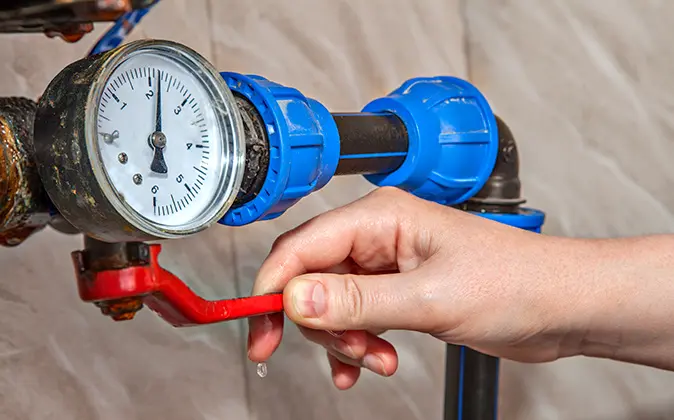
Technicians need a practical way to reach meters, condensers, pumps, valves, and other outdoor systems. Hinged panels, removable sections, or a screen placed only on the most visible sides can make routine access easier.
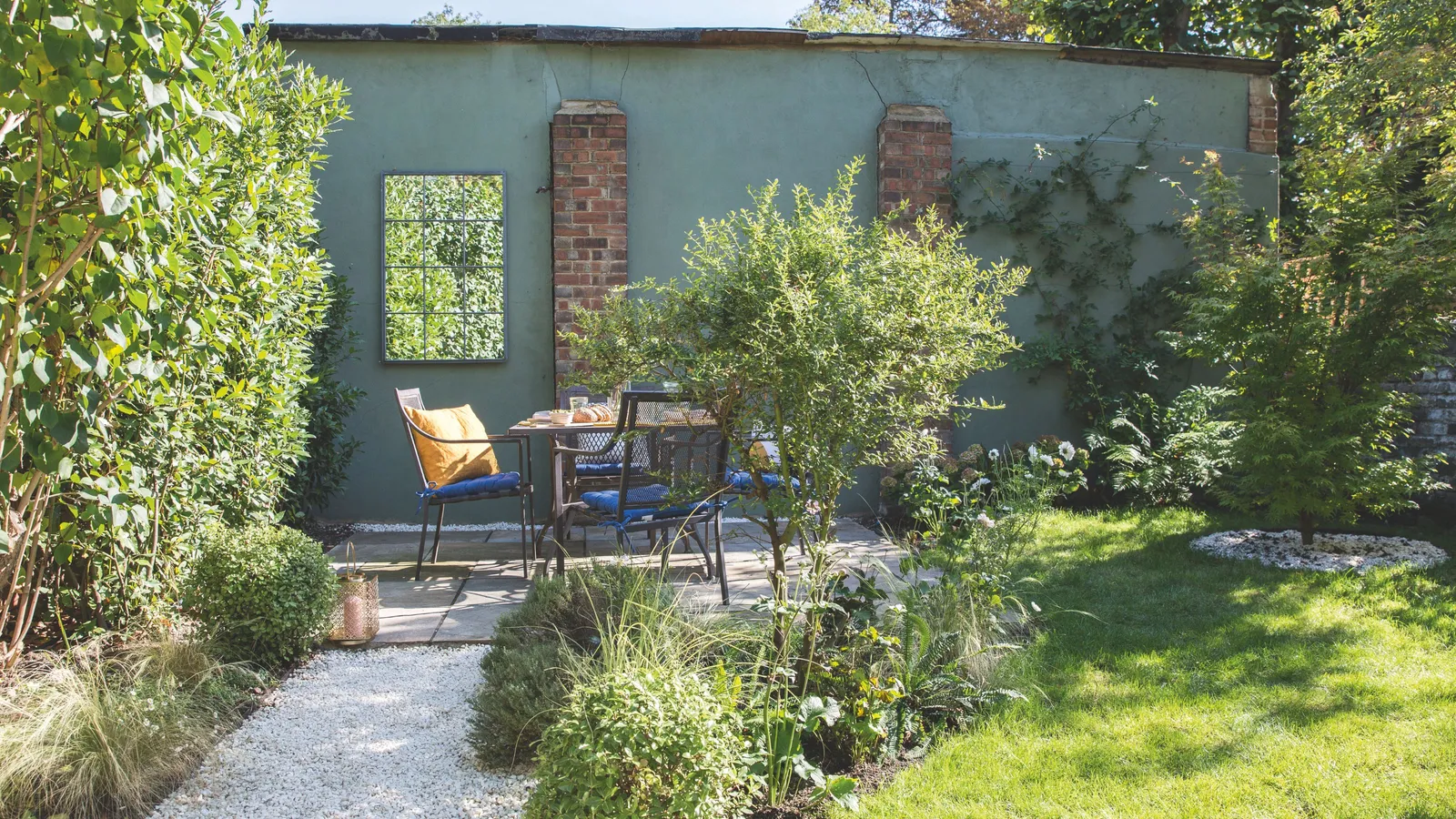
A small courtyard or cabin-inspired garden can use planting and screening together. References to relaxed exterior spaces can provide useful styling direction without turning a functional enclosure into a bulky feature.
| Screen Type | Air Movement | Access Option |
|---|---|---|
| Spaced wood slats | Good | Hinged panel |
| Open metal panel | Good | Removable section |
| Dense shrubs | Variable | Side pathway |
| Solid fence panel | Limited | Large gate needed |
Screen the View Rather Than the Machine
Stand at the patio, driveway, street, or windows where the equipment is most noticeable. A screen positioned several feet away may hide the view better than one wrapped tightly around the equipment.
This approach also makes future property maintenance simpler. Homeowners reviewing practical property upgrades can apply the same principle elsewhere: solve the visual problem without making mechanical access harder.
Where Utility Screening Goes Wrong
Building too close to equipment is the most serious design mistake. Mechanical systems may have manufacturer clearance requirements, and restricting air movement can reduce performance or create service problems.
Dense vegetation can cause similar trouble if branches and leaves grow into vents or working areas. Keep plants trimmed, avoid storing items inside the screened zone, and make sure service panels remain reachable.
Frequently Asked Questions
Can I put a fence around outdoor utility equipment?
Sometimes, but the layout should preserve required clearances, airflow, and technician access. Check equipment instructions and local requirements before constructing a permanent enclosure.
Are plants safe for hiding utility equipment?
Plants can provide attractive screening if they remain far enough away and are regularly trimmed. Avoid species that spread aggressively, shed large amounts of debris, or grow into vents and access panels.
Should an outdoor equipment screen have a roof?
Usually, a roof isn’t necessary for simple visual screening and can restrict ventilation or access. Equipment designed for outdoor installation is generally intended to remain exposed according to its installation requirements.
Hide the View, Not the Function
Good utility screening is intentionally incomplete. It blocks unattractive sight lines while leaving the equipment enough breathing room to operate and enough space for someone to service it. Begin with clearances and access, then choose materials and plants that suit the landscape. Function should determine the enclosure first; appearance can follow.