

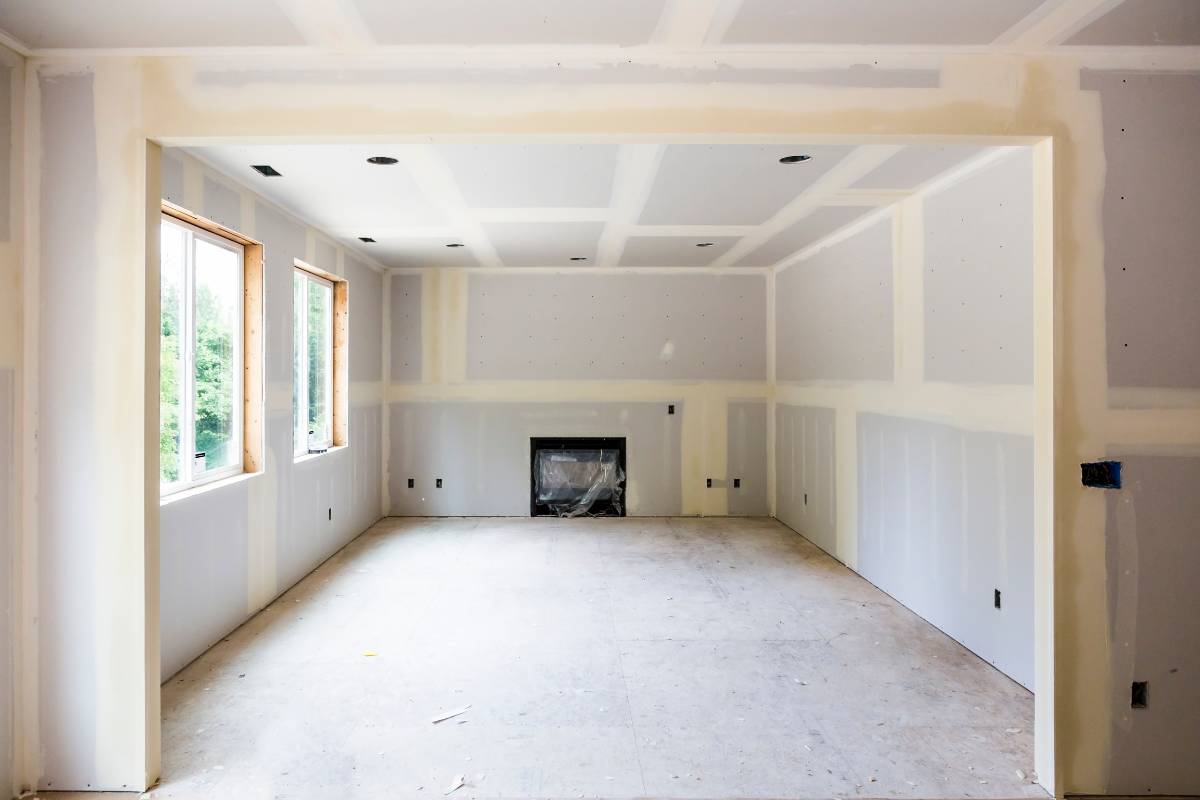
Drywall is the foundation of nearly every modern home’s interior. It creates smooth walls and ceilings, provides a surface for paint and decorative finishes, and contributes to the overall durability of a building. Although drywall appears simple to install, achieving professional-quality results requires careful planning, precision, and experience.
Unfortunately, installation mistakes are more common than many homeowners realize. Small errors made during installation can lead to visible cracks, uneven walls, moisture problems, and costly repairs years later. While some issues may not become apparent immediately, they often worsen over time as the home settles and experiences seasonal temperature changes.
Understanding the most common drywall installation mistakes can help homeowners avoid unnecessary expenses and protect the long-term value of their property.
Poor Framing Preparation
A successful drywall project begins long before the first panel is installed.
If wall studs are uneven, warped, or improperly aligned, drywall panels will not sit flat against the framing. This creates stress points that often result in visible seams, nail pops, and cracks after installation.
Professional installers inspect and correct framing issues before hanging drywall, creating a stable foundation that supports long-term durability.
Using the Wrong Type of Drywall
Not every drywall product is suitable for every room.
Standard drywall performs well in living areas, but moisture-prone spaces such as bathrooms, basements, and laundry rooms often require moisture-resistant drywall. Likewise, garages and utility rooms may benefit from fire-resistant products.
Choosing the wrong drywall can shorten the lifespan of the walls and increase future repair costs.
Selecting materials based on the specific environment helps improve long-term performance.
Incorrect Panel Placement
Proper panel layout plays an important role in drywall durability.
Poorly planned panel placement can create weak joints, unnecessary seams, and uneven surfaces. Installers carefully stagger drywall joints to distribute stress more evenly throughout the wall.
Incorrect positioning increases the likelihood of future cracking and visible imperfections.
Thoughtful planning during installation reduces these risks considerably.
Improper Fastener Installation
Fasteners hold drywall securely in place, but they must be installed correctly.
Driving screws too deep can weaken the drywall surface, while shallow screws may fail to hold panels firmly against the framing. Incorrect spacing between fasteners also increases the risk of movement over time.
Professional installers follow industry guidelines to ensure drywall remains securely attached for years.
Proper fastening contributes significantly to long-term wall stability.
Poor Joint Taping and Finishing
One of the most noticeable signs of poor drywall workmanship is visible joints.
If tape is applied incorrectly or joint compound is uneven, seams may crack, separate, or become visible after painting. Inadequate drying time between coats can also compromise the finish.
Quality joint finishing requires patience, multiple applications, and careful sanding to achieve smooth, seamless walls.
Proper finishing helps prevent costly cosmetic repairs later.
Skipping Surface Preparation
Preparation is essential for long-lasting drywall performance.
Dust, debris, loose materials, or uneven framing surfaces can interfere with proper installation and finishing. Failing to prepare the work area often results in weak adhesion and poor overall quality.
Professional installers take time to prepare surfaces thoroughly before beginning the installation process.
This attention to detail contributes to better long-term results.
Ignoring Moisture Issues
Installing drywall over existing moisture problems is one of the most expensive mistakes homeowners can make.
Hidden plumbing leaks, roof leaks, or excess humidity can quickly damage newly installed drywall. Moisture may cause swelling, mold growth, staining, and structural deterioration.
Professionals identify and correct moisture sources before installation begins, protecting the new drywall from premature damage.
Addressing the underlying cause is always more effective than repairing the symptoms later.
Failing to Leave Expansion Gaps
Homes naturally expand and contract due to seasonal temperature and humidity changes.
Without small expansion gaps in appropriate locations, drywall may experience increased stress that leads to cracking around ceilings, corners, and door frames.
Professional installation techniques account for natural building movement while maintaining a clean finished appearance.
These small details significantly improve long-term durability.
Inadequate Sanding Between Coats
Smooth drywall finishes require careful sanding throughout the finishing process.
Rushing this step often leaves ridges, rough spots, and visible imperfections that become even more noticeable after painting. Uneven surfaces can also make future repairs more difficult.
Experienced installers know that proper sanding creates the flawless finish homeowners expect.
Taking the extra time produces better results that last longer.
Poor Corner Installation
Drywall corners receive more daily wear than almost any other part of the wall.
Improperly installed corner beads may crack, loosen, or become damaged with routine use. Once corner protection fails, surrounding drywall becomes more vulnerable to impact damage.
Properly secured corner beads strengthen vulnerable areas while maintaining crisp, clean edges throughout the home.
Painting Before Drywall Fully Cures
Many homeowners are eager to complete their projects quickly.
However, painting before joint compound has fully dried can lead to visible imperfections, uneven paint absorption, and finish problems. Allowing sufficient curing time ensures the drywall surface remains stable before applying primer and paint.
Patience during installation often prevents expensive cosmetic corrections later.
The Value of Professional Installation
Quality installation requires specialized knowledge, precision, and experience.
An experienced Drywall Installation company understands how proper framing, fastening, finishing, and moisture control work together to create durable walls that require minimal maintenance.
Professional workmanship helps homeowners avoid the hidden costs associated with poor installation and recurring repairs.
Choosing experienced contractors is often the most cost-effective decision in the long run.
Addressing Problems Before They Worsen
Even well-installed drywall may experience occasional wear over time.
Promptly repairing small cracks, dents, and minor damage helps prevent more extensive problems from developing. Delaying repairs often allows damage to spread, increasing both labor and material costs.
Professional drywall repair services can restore damaged areas while preserving the overall integrity and appearance of your walls.
Early maintenance remains one of the best ways to extend the lifespan of any drywall system.
Drywall installation may appear straightforward, but small mistakes can lead to significant repair costs over time. Poor framing preparation, improper fastening, weak joint finishing, moisture problems, and rushed workmanship all contribute to walls that deteriorate faster than expected.
By investing in professional installation and addressing minor issues early, homeowners can avoid many of these common problems. High-quality drywall work provides smoother finishes, greater durability, lower maintenance costs, and long-term peace of mind.
Choosing experienced professionals from the beginning is one of the smartest ways to protect your home and reduce future repair expenses.


