

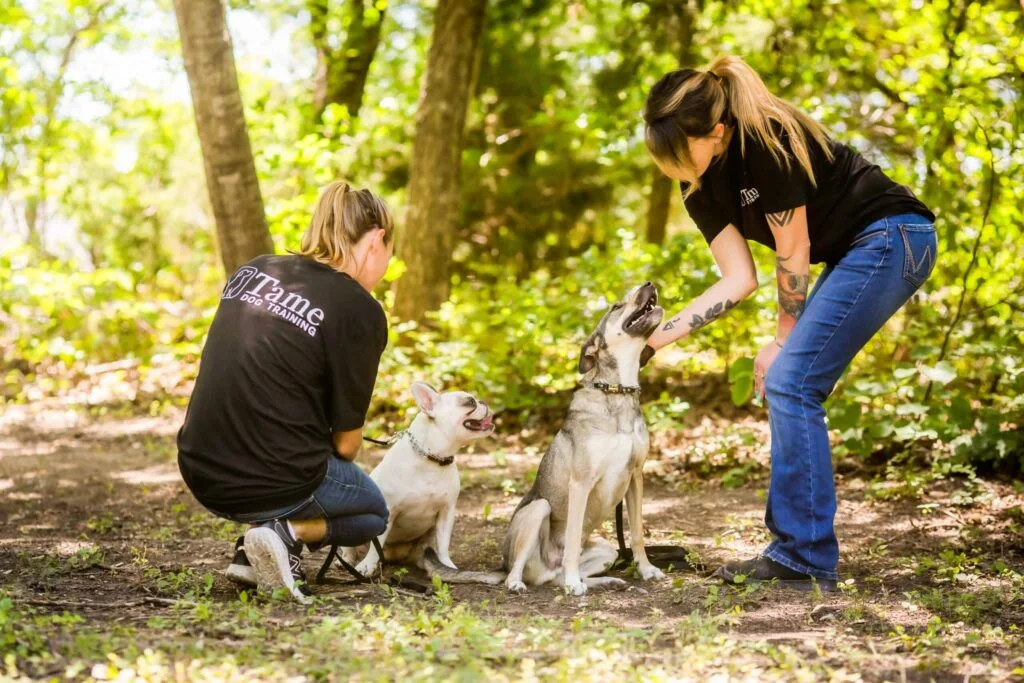
Choosing the right dog training packages is one of the most important decisions a dog owner can make. While many people focus on individual lessons, a structured training package offers a more complete path to success by building skills step by step. Rob’s Dog Training understands that lasting behavioral improvements happen through consistency, clear communication, and ongoing guidance rather than quick fixes.
Whether you’re raising a puppy, working through behavioral challenges, or refining obedience, a well-designed training program provides a roadmap that helps both dogs and owners develop confidence together.
Why Dog Training Is Most Effective as a Structured Program
Dogs learn through repetition, consistency, and positive reinforcement. While a single lesson can introduce new concepts, long-term improvement requires regular practice and gradual progression.
A structured training package allows trainers to:
- Build one skill upon another.
- Reinforce previous lessons before adding complexity.
- Monitor progress over time.
- Adjust training based on the dog’s development.
- Help owners practice proper techniques consistently.
Rather than treating each lesson as an isolated event, training packages create continuity that supports meaningful behavioral change.
What Dog Training Packages Usually Include
Every training provider structures programs differently, but comprehensive dog training packages often include multiple components that work together.
Common features include:
- Initial behavioral evaluation
- Personalized training plan
- Private or group sessions
- Homework between lessons
- Progress tracking
- Owner coaching
- Ongoing adjustments based on performance
These elements provide far more value than simply teaching a few commands.
Consistency Produces Better Learning
Dogs thrive on predictable routines. Repeating behaviors under consistent guidance helps create stronger learning patterns.
Training packages encourage regular practice by scheduling lessons over several weeks rather than spacing them too far apart.
This consistency helps dogs:
- Learn commands faster
- Improve focus
- Reduce confusion
- Build confidence
- Retain behaviors longer
Just as people improve skills through repeated practice, dogs become more reliable when learning occurs in a structured sequence.
Building Reliable Obedience Takes Time
Basic commands may appear simple, but reliable obedience involves much more than teaching a dog to sit or stay once.
Dogs must learn to perform behaviors:
- At home
- Outdoors
- Around distractions
- Near other dogs
- Around unfamiliar people
- In different environments
Training packages provide enough time to gradually introduce these situations without overwhelming the dog.
This progression helps dogs generalize their learning instead of responding only in familiar settings.
Dog Training Packages Help Address Behavior Problems
Behavioral issues rarely disappear after one lesson because they often develop over time.
Common challenges include:
- Excessive barking
- Jumping on guests
- Pulling on the leash
- Poor recall
- Reactivity
- Lack of impulse control
- Ignoring commands
Addressing these behaviors requires identifying underlying causes, teaching replacement behaviors, and reinforcing them consistently.
Training packages provide enough sessions to monitor improvements and adjust techniques when necessary.
Owner Education Is Just as Important
Successful dog training depends on the owner’s ability to continue reinforcing good behavior between lessons.
Professional trainers can demonstrate techniques, but owners become the dog’s primary teacher every day.
Quality dog training packages often include coaching that helps owners understand:
- Proper timing of rewards
- Reading body language
- Giving clear commands
- Managing difficult situations
- Preventing unwanted behaviors
- Reinforcing positive choices
When owners understand the reasoning behind training methods, they become more confident and consistent.
Every Dog Learns Differently
No two dogs have identical personalities, motivations, or learning speeds.
Factors that influence training include:
- Age
- Breed tendencies
- Previous experiences
- Confidence level
- Energy level
- Environment
- Socialization history
Structured packages give trainers opportunities to evaluate progress and adjust exercises to fit the individual dog rather than relying on a one-size-fits-all approach.
Early Training Creates Long-Term Habits
Many owners wait until unwanted behaviors become difficult to manage before seeking help.
Starting training early allows dogs to develop good habits before undesirable behaviors become deeply ingrained.
Puppies especially benefit from learning:
- Basic obedience
- House manners
- Leash skills
- Social behaviors
- Calm behavior around distractions
- Impulse control
However, older dogs can also learn successfully with consistent guidance and patience.
Confidence Grows Through Success
Training isn’t simply about obedience.
As dogs learn new skills and receive consistent positive reinforcement, many become more confident when facing unfamiliar situations.
This confidence can improve everyday experiences such as:
- Veterinary visits
- Grooming appointments
- Walks
- Meeting visitors
- Traveling
- Public outings
Dogs that understand expectations often experience less frustration because communication with their owners becomes clearer.
Strong Communication Strengthens the Relationship
Training creates a shared language between dogs and their owners.
Rather than relying on frustration or repeated commands, owners learn how to communicate clearly and consistently.
Benefits include:
- Better responsiveness
- Increased trust
- Improved cooperation
- Less confusion
- More enjoyable daily interactions
Over time, this stronger communication supports a healthier relationship built on understanding rather than correction alone.
Progress Can Be Measured More Effectively
One advantage of comprehensive dog training packages is the ability to track improvement over multiple sessions.
Instead of wondering whether training is working, owners can monitor measurable progress such as:
- Faster response to commands
- Reduced unwanted behaviors
- Longer focus during training
- Improved recall
- Better leash manners
- Increased confidence around distractions
Tracking progress also helps trainers identify areas that need additional practice before moving to more advanced skills.
Real-Life Practice Makes Training Reliable
Dogs don’t live inside training facilities.
They encounter distractions every day, including:
- Other dogs
- Wildlife
- Children
- Traffic
- Visitors
- New environments
Effective training packages gradually introduce these real-world situations so dogs learn to respond even when distractions increase.
This practical approach helps create dependable behavior outside formal training sessions.
The Value Goes Beyond Basic Commands
Many people initially seek training because they want a dog that listens.
However, structured training often delivers benefits beyond obedience, including:
- Improved household routines
- Reduced stress
- Safer interactions
- Better public behavior
- Stronger owner confidence
- Greater mental stimulation for the dog
These improvements contribute to a more enjoyable daily life for everyone involved.
How to Choose the Right Dog Training Packages
Not every training package offers the same level of support.
When comparing programs, consider whether they include:
- Customized training plans
- Professional evaluations
- Positive training methods
- Owner education
- Progress monitoring
- Real-world practice
- Flexible adjustments based on the dog’s needs
Choosing a comprehensive program often provides greater long-term value than selecting the lowest-priced option.
Maintaining Results After Training
Completing a training package is not the end of the learning process.
Dogs continue learning throughout their lives, making regular reinforcement essential.
Owners can maintain progress by:
- Practicing commands daily.
- Rewarding desired behaviors consistently.
- Keeping training sessions short and engaging.
- Introducing new environments gradually.
- Remaining patient during setbacks.
Small, consistent practice sessions often produce stronger long-term results than occasional intensive training.
Final Thoughts
Investing in well-designed dog training packages gives both dogs and owners the opportunity to develop skills gradually, strengthen communication, and build reliable behaviors that last well beyond individual lessons. Through consistent instruction, personalized guidance, and regular practice, training becomes a foundation for a safer, more enjoyable relationship. If you’re looking for a structured approach that supports lasting success, Rob’s Dog Training offers programs designed to help dogs and their owners build confidence together.