Wallpaper doesn’t need oversized flowers, geometric graphics, or strong colors to change a room. Textured wallpaper creates interest through raised fibers, woven effects, subtle embossing, and light-catching surfaces. These textured wallpaper ideas are especially useful when a plain painted wall feels unfinished but a dramatic printed pattern would dominate the space.
Use Texture Instead of Pattern for Visual Movement
A textured surface creates shadows and highlights that shift throughout the day. Even a single-color wallpaper can appear slightly different depending on where natural or artificial light reaches it.
Fine linen effects provide restrained movement, while plaster-look and woven papers have a more visible tactile quality. Looking through broader home styling ideas can help when matching these surfaces with furniture that should complement rather than compete with them.
Start With the Room’s Existing Details
Rooms already containing colorful artwork or patterned upholstery often benefit from quieter wallpaper. Texture provides a backdrop instead of becoming another strong focal point.
Minimal rooms can handle heavier embossing because fewer surrounding elements compete for attention.
Pick Texture According to the Mood
Not every textured wallpaper produces the same atmosphere. Fine woven patterns feel tailored, irregular plaster effects appear relaxed, and embossed geometric surfaces can lean more architectural.
Warm ivory and sand tones soften the effect. Gray, stone, and charcoal shades create greater contrast between raised and recessed areas.
Designers exploring comfort-focused interiors can also borrow ideas from bedrooms and lounging spaces, where tactile surfaces often work best alongside layered fabrics and soft lighting.
| Wallpaper Texture | Character | Good Setting |
|---|---|---|
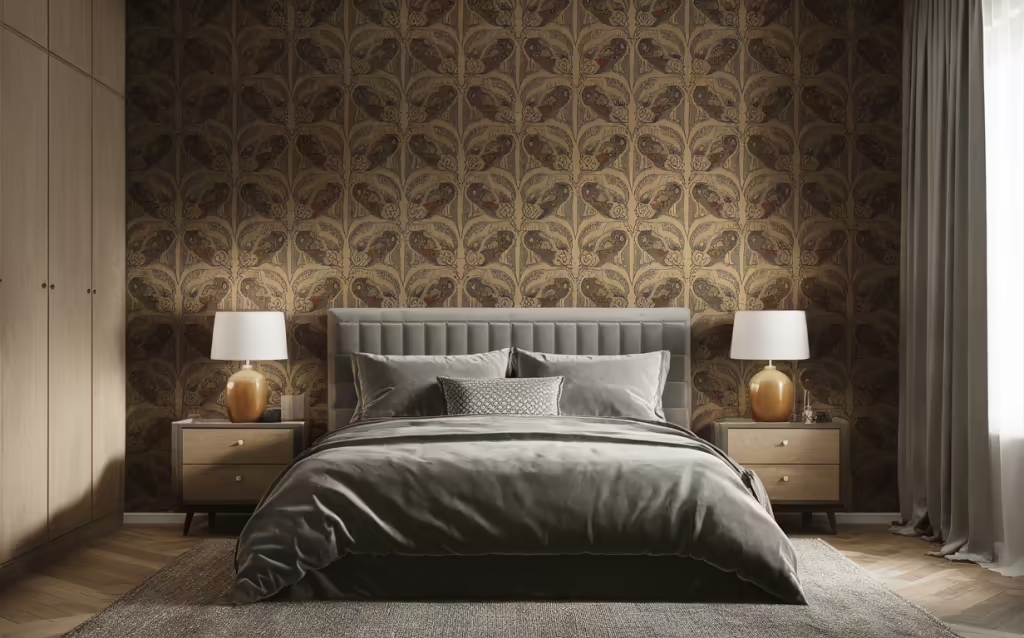
| Linen effect | Soft and tailored | Bedroom |
| Plaster look | Organic and relaxed | Living room |
| Fine embossing | Crisp and subtle | Entry hall |
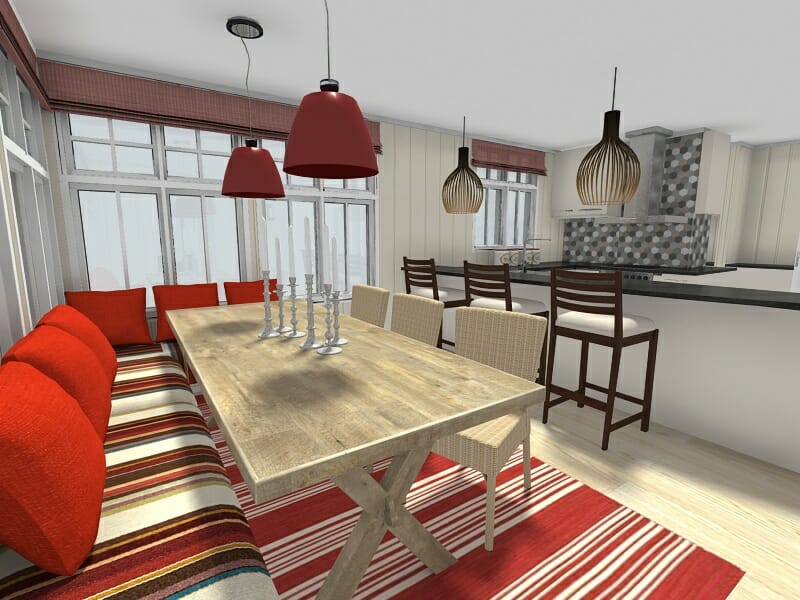
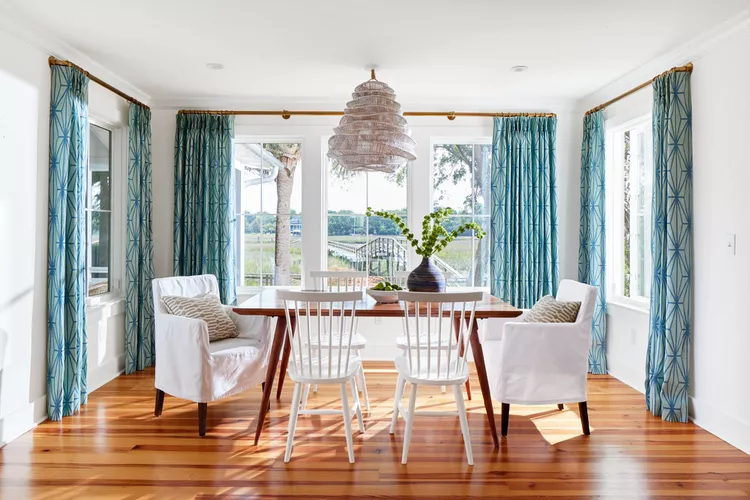
| Woven effect | Warm and tactile | Dining room |
Use Textured Wallpaper on Architectural Features
A full room isn’t always necessary. Covering the wall behind a bed, console, dining table, or sofa can create a clear focal area while leaving surrounding walls simple.
Built-in niches are another useful location. Texture inside an alcove creates depth, especially when integrated shelves or directional lighting highlight the surface.
The same approach appears in many forms of surface design inspiration: one material often becomes more effective when it has enough visual space around it.
Consider Lighting Before Choosing the Finish
Samples should be viewed vertically rather than flat on a table. Directional light can dramatically change how heavily embossed wallpaper appears.
A shallow texture may look nearly flat under diffuse daylight but become pronounced beneath a wall washer. Metallic threads or pearlescent finishes may also reflect more light than expected.
Test Larger Samples When Possible
Small swatches can hide repetition and scale. A larger sample shows whether the texture reads as soft background detail or a recognizable repeating motif.
Testing it against flooring and upholstery can also prevent mismatched undertones.
Where Textured Wallpaper Can Go Wrong
Too much texture can make a compact room feel visually crowded, especially when ceilings, rugs, fabrics, and furniture already contain strong surface detail. Texture needs contrast, and sometimes the best contrast is simply a plain adjacent wall.
Poor wall preparation can create another problem. Some textured coverings hide tiny surface imperfections, but they won’t disguise major cracks, loose material, or uneven joints. A carefully prepared substrate usually produces a cleaner result.
Frequently Asked Questions
Is textured wallpaper harder to decorate around?
Usually not. Neutral textured wallpaper can actually be easier to coordinate than a strong printed design because furniture and artwork don’t have to compete with a dominant pattern.
Can textured wallpaper make a room look smaller?
Heavy textures and dark colors can visually reduce a small room, while fine textures in lighter tones usually maintain a more open appearance.
Should every wall use the same textured wallpaper?
Not necessarily. A single feature wall can provide enough depth, particularly in rooms that already contain detailed furniture, artwork, or architectural trim.
Give Plain Walls a More Considered Finish
Textured wallpaper is most successful when the texture has a purpose. Decide whether the room needs warmth, architectural depth, softness, or a more tailored background before choosing the surface. A restrained covering can completely change how a wall responds to light while preserving the calm quality that makes simple interiors comfortable.